How to Handle Commercial Emergency Repairs
Commercial emergency repairs are urgent fixes that protect people, property, operations, and revenue when a building problem cannot wait. They may involve broken doors, active leaks, electrical hazards, damaged walls, flooring failures, or other issues requiring rapid assessment, temporary protection, and a safe, permanent repair.
What Counts as a Commercial Emergency Repair?
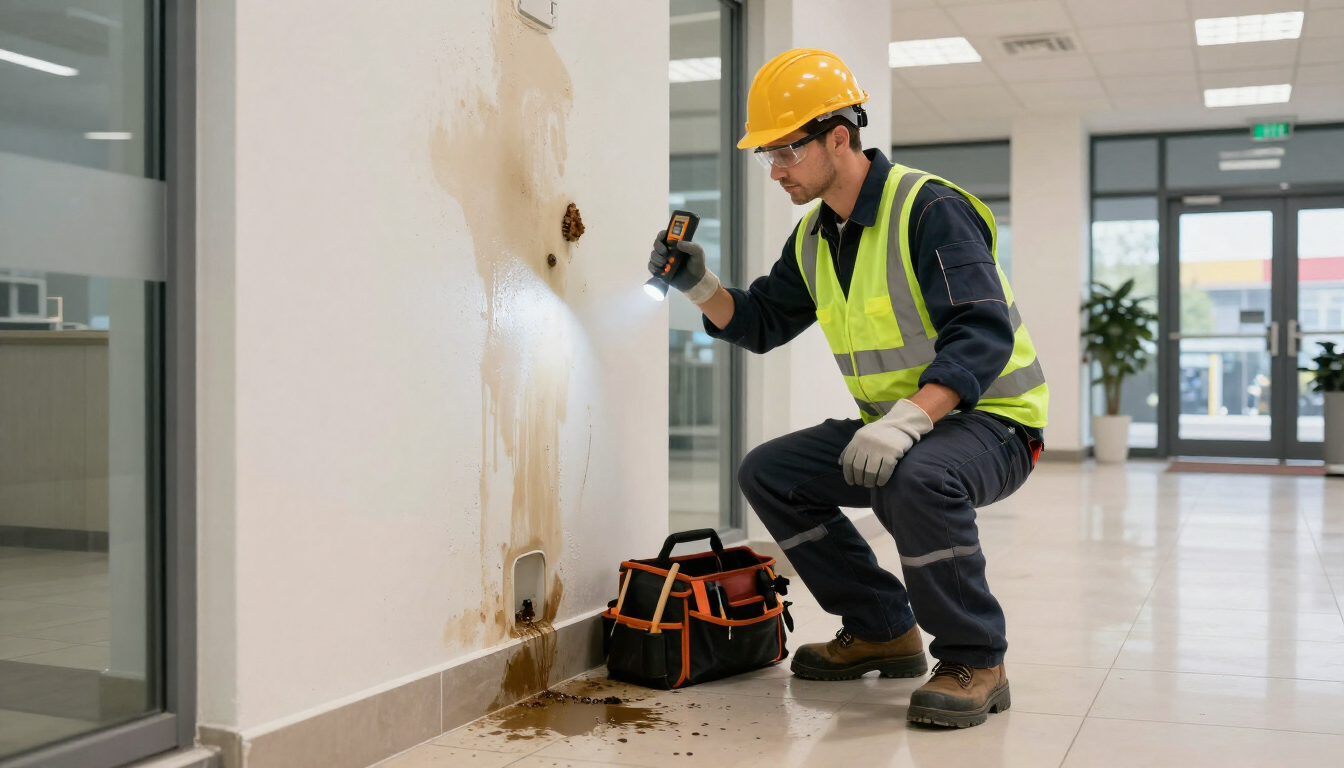
A commercial repair is an emergency when delaying action could create a safety risk, worsen damage, interrupt business, or expose the property owner to liability. Common examples include:
- Water leaks, flooding, or failed drains
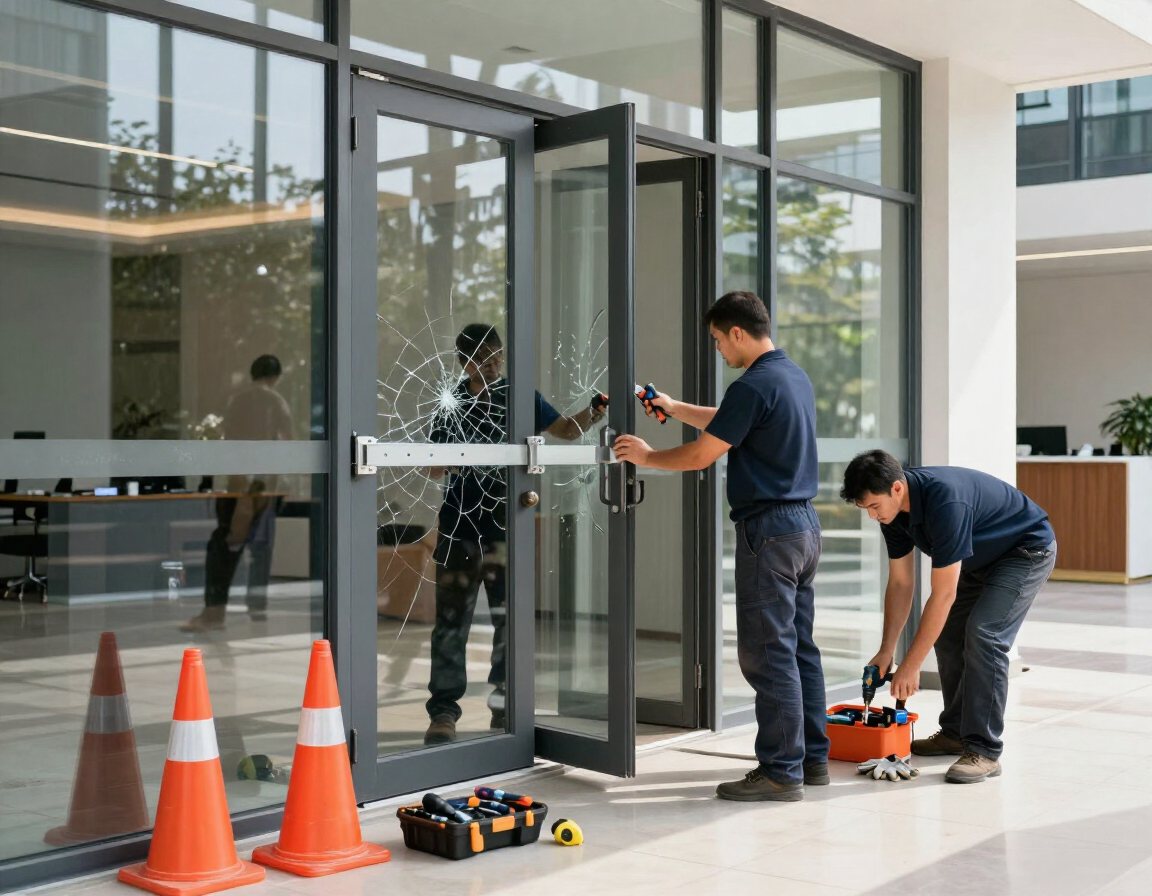
- Broken entry doors, locks, closers, or exit devices
- Electrical damage, exposed wiring, or loss of essential power
- Ceiling, drywall, masonry, or wall damage
- Unsafe flooring, trip hazards, or damaged stairs
- HVAC failures affecting occupied or temperature-sensitive spaces
The right response depends on the location, severity, building use, and risk to occupants. A retail property, office, warehouse, and multifamily building may each require a different repair plan.
How Should a Business Respond to an Emergency Repair?
Use a simple response process to reduce disruption and protect the site:
- Protect people first. Keep employees, customers, tenants, and visitors away from the hazard. Use signs, barriers, or temporary closure where needed.
- Control the source. Shut off water, isolate power, secure an opening, or stop equipment only when it is safe and authorized.
- Document the condition. Take photos, record the time, note affected areas, and preserve information for management, insurance, and future repairs.
- Call a qualified repair provider. Describe the issue clearly and share access details, building hours, and any immediate safety concerns.
- Confirm the next step. Ask whether the visit will include temporary stabilization, permanent repair, materials, and a follow-up inspection.
For broader risk reduction, combine urgent service with a planned facility maintenance program.
Which Commercial Emergency Repairs Need Immediate Attention?
Some problems should never be postponed until the next business day. Treat these as high priority:
- Active water intrusion near electrical equipment
- Blocked or malfunctioning emergency exits
- Broken locks or doors that leave a property unsecured
- Structural-looking cracks, loose masonry, or falling materials
- Electrical sparks, burning odors, or exposed conductors
- Major flooring damage in busy walkways
Specialized support may be needed. Review Exit Devices & Locks , Plumbing Services , Electrical Services , or General Building Repairs based on the issue.
Temporary Fixes Versus Permanent Repairs
A temporary fix controls immediate risk; it does not always solve the underlying problem. For example, a contractor may secure a damaged door, contain a leak, cover an unsafe floor area, or board an opening before completing the final work.
Ask for a clear distinction between:
- Emergency stabilization: actions taken to make the area safer now
- Diagnostic work: inspection to identify the cause and full scope
- Permanent repair: materials and labor required for a durable result
- Preventive recommendation: steps that reduce the chance of recurrence
This approach helps commercial clients compare proposals fairly and avoid paying for repeated short-term fixes.
How Can Businesses Prepare for Future Emergencies?
Preparation makes urgent decisions faster and less expensive. Keep current records for building contacts, utility shutoffs, access instructions, warranties, and preferred vendors. Schedule routine inspections for doors, roofs, plumbing, electrical systems, flooring, and high-traffic areas.
A recurring property maintenance plan can identify smaller defects before they become disruptive failures. Businesses in the region can also review available Tampa Bay service areas and request help through the contact page .
Key Takeaways
Commercial emergency repairs require a fast, safety-first response—not guesswork. Secure people and property, control the source when possible, document the damage, and contact a qualified commercial repair provider. Separate temporary stabilization from permanent work, then address the underlying cause. For businesses in St. Petersburg, Tampa Bay, and nearby communities, combining emergency support with ongoing facility maintenance is the most practical way to reduce downtime, protect assets, and keep commercial spaces operating safely.